Smart Ways to Choose Software for Your Business
Introduction
Are you unsure which software deserves your attention? Finding the right tool can take time. Many products offer similar features. Yet, their costs and limits can differ. A clear software comparison helps you see those differences. It gives you a simple way to review options. Useful software reviews can add practical information too. They may explain features, setup, support, and daily use. Many teams also search for the best software tools. But every team has different goals. Your users and tasks also matter. BestAIToolix.com helps people research software before choosing. It covers AI tools and many other categories. The platform supports discovery and product research. It also helps users compare important product details.
Begin With Your Actual Business Need
Every software search should start with a clear need. Think about the work causing the problem. Maybe your team needs better project tracking. Maybe sales staff need customer management tools. Your problem should guide your search. Do not start with a popular product name. That can narrow your thinking too early. Write down the main task first. Then list the result you want. Keep this list simple. You can add more details later. A software directory can help you find suitable options. It can show products across many categories. An AI tools directory can help with AI products. These resources make early discovery easier.
Why Careful Software Research Matters
Software can shape how teams work. People may use the same tool every day. A poor fit can slow down simple tasks. It can also create extra training work. Some tools may have too many functions. Others may lack important features. Careful research helps reveal these differences. It also helps you understand possible costs. The listed price may not show the full expense. Extra users can affect the final cost. Some functions may need higher plans. Support can also vary between plans. A clear software buying guide can help organize research. It gives teams a simple process to follow. This can reduce confusion during selection.
Understand Features Before Comparing Products
A feature list can look impressive. But every feature may not matter to you. Start with the functions linked to your main task. Then check how each function works. Think about daily use. Ask whether your team can learn it easily. Check user roles and access settings. Review security features when needed. Integration can also affect your workflow. Your new product may need existing tools. Check whether those systems can connect. Also check if certain connections need special plans. Independent software reviews can help you find useful questions. Still, confirm important facts before making a decision.
Software Can Support Many Business Tasks
Businesses use software for many different reasons. Sales teams may manage customer information. Finance teams may track money and expenses. HR teams may manage employee records. Marketing teams may manage campaigns. Support teams may handle customer requests. Developers may use cloud and testing tools. Creative teams may use design software. AI tools can support many of these areas. Some tools help with writing. Others support research or coding. Some may help with analysis. This wide range makes product research important. When you compare AI tools, start with the task. Then check which options match that task.
Build a Short List of Must-Have Features
A short feature list makes research easier. Start with the features you truly need. Keep optional features separate. This prevents feature overload. It also makes comparisons clearer. Next, check whether each product supports your core needs. Do not count a feature without checking its limits. A feature may only work on one plan. Some features may also have usage limits. User access can affect your needs too. Check how many people will use the tool. Then review the available access options. Integration should also appear on your checklist. This step can remove unsuitable products early.
Look at Total Software Costs
Software cost involves more than one number. Start with the listed plan price. Then check what the plan includes. Look at user limits and usage limits. Check extra charges too. Some products may offer different plans. Each plan may have different features. Setup can also require time. Training can create another cost. Migration may also need effort. Support options can differ as well. A business software comparison should include these details. Comparing only the starting price can create a misleading picture. Look at cost together with actual business needs.
Review Security and Data Controls
Security deserves attention before purchase. Do not leave it until the final step. Start by checking user access. See how teams control accounts. Review available security settings. Then check information about data handling. Different products can use different methods. Your business may also have specific requirements. Write down important security questions. Ask the vendor when details are unclear. Never guess missing information. Software reviews may provide useful context. Yet, important security facts should come from reliable product information. This approach helps reduce unexpected issues.
Check How the Tool Fits Your Workflow
A good product should fit your daily work. Start by mapping your main workflow. Then see where the software fits. Ask whether it removes steps or adds them. Check how users move between tasks. Review integrations with current tools. Also check the setup process. A tool may look useful during a demo. Daily use can feel different. This is why workflow fit matters. User feedback can help identify practical concerns. Still, every team works differently. Your own workflow should remain the main focus.
A Simple Way to Compare Software
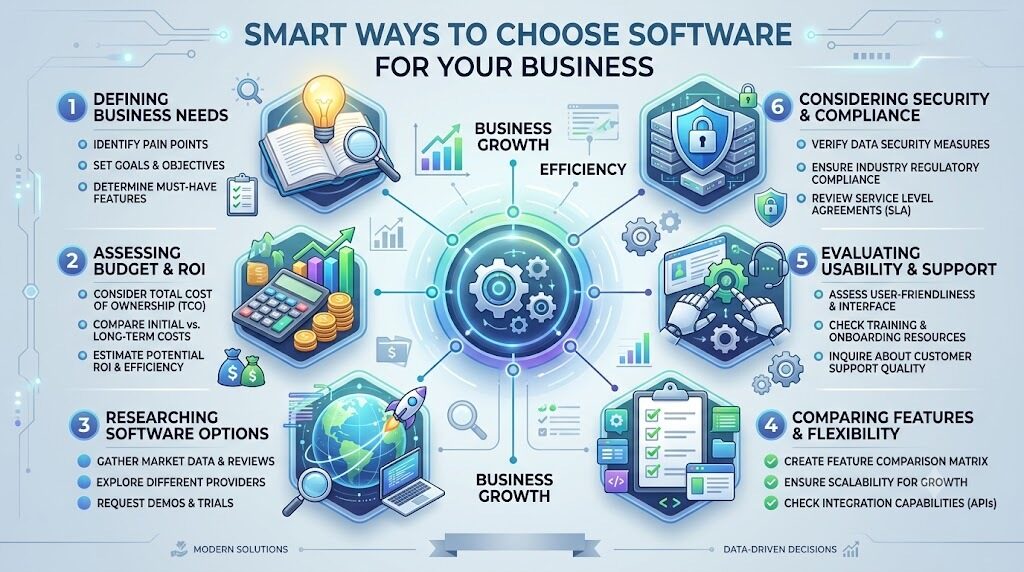
A useful software comparison needs shared criteria. Start with the problem you want to solve. Then check the most important features. Review pricing and plan limits next. After that, examine security. Check integrations with existing tools. Review support options too. Then consider ease of use. Finally, check the overall team fit. Use the same questions for every product. This keeps your research consistent. It also makes differences easier to spot. Avoid changing your criteria between products. A simple checklist can work well.
What Makes Software Reviews Helpful?
Good software reviews answer practical questions. They explain what the product does. They may describe common use cases. They can discuss features and pricing. They may also cover setup and support. Useful reviews avoid vague claims. They separate facts from personal opinions. They also identify unknown information. This helps readers understand what remains unclear. User reviews can provide another viewpoint. However, one user's experience may not match yours. Different teams can use the same product differently. Read several viewpoints when possible. Then verify important details before buying.
The Value of Independent Software Reviews
Independent software reviews can provide another research angle. They may discuss points that vendor pages do not explain. But independent content still needs checking. A review may contain outdated details. It may also reflect one person's experience. Look for evidence behind important claims. Check whether product details match current information. Separate facts from opinions. Keep uncertain points clearly marked. This makes reviews more useful. BestAIToolix.com uses an evidence-driven approach to software research. It supports discovery and comparison across many software categories. Users can explore product information before making their own decisions.
How to Think About the Best Software Tools
People often search for the best software tools. But the right tool depends on the task. A small team may need simple software. A larger team may need more controls. Some businesses may focus on price. Others may focus on security. Some may care most about integrations. This makes one universal choice difficult. Start with your own requirements. Then check products against those requirements. Look at the features you will actually use. Review the cost and plan limits. Check security and support too. A product should fit your work. Popularity alone should not decide your choice.
Choosing the Best AI Tools for Your Needs
AI software covers many different tasks. This makes the phrase best AI tools very broad. One AI product may focus on writing. Another may focus on coding. Another may support research. Start by defining your main task. Then check the products built for it. Review their features and limits. Check how users access the tool. Data handling can also matter. Output quality may vary by task. So, use clear criteria when you compare AI tools. Check each product against the same needs. This creates a more useful shortlist.
Exploring an AI Tools Directory
An AI tools directory can help with early discovery. It may organize products by common use cases. You can find writing tools in one section. Coding products may appear in another. Research tools can have their own category. This saves time during the first search. But discovery is not the same as selection. You still need to study each product. Check the main functions. Review current plans. Check access and data controls. Then compare the product with other options. This gives you a clearer view.
Exploring a Software Directory
A software directory can cover many software categories. It may include business and technical products. You can find sales software. You can also find finance and HR tools. Cloud and cybersecurity products may appear too. Marketing and creative software can also be included. A directory helps you discover options quickly. It can also help you explore unfamiliar categories. Still, each product needs separate research. Check its current details before choosing. Features may differ between plans. Product information can also change.
Making Business Software Research More Useful
A business software comparison should focus on business tasks. Start with the people who will use the product. Ask what they need each day. Then list the most important functions. Review security and access needs. Check integrations with current systems. Look at pricing and plan limits. Support should also be reviewed. Business software can affect many users. It can also change daily workflows. Software reviews can help reveal practical questions. User feedback may add another viewpoint. Still, verify major claims before buying.
Software Buying Guide: Seven Practical Steps
A simple software buying guide can make the process easier.
Step 1: Define the Problem
Write down the main problem. Use one clear sentence.
Step 2: List Your Needs
Write the features your team must have. Keep optional features separate.
Step 3: Find Suitable Products
Use a software directory to discover options. Search by task and category.
Step 4: Compare Your Shortlist
Use software comparison to review similar products. Apply the same criteria each time.
Step 5: Read Different Reviews
Check independent software reviews and user feedback. Use them to find useful questions.
Step 6: Verify Product Information
Check plans, features, limits, and support. Confirm important details before purchase.
Step 7: Review the Final Fit
Return to your original needs. Make sure the product fits your daily work.
Software Evaluation Factors
| Factor | What to Check | Why It Matters |
|---|---|---|
| Features | Required functions and key tools | Shows whether the product fits |
| Pricing | Plans, limits, and extra costs | Helps manage spending |
| Security | Access and data controls | Helps protect business data |
| Integration | Existing tools and connections | Supports current workflows |
| Support | Help options and service details | Helps users solve problems |
| Usability | Setup and daily workflow | Can affect adoption |
| Fit | Team needs and work style | Helps avoid poor matches |
Mistakes That Can Affect Software Choices
Choosing Only by Cost
Low cost can seem attractive. But the product may not solve your problem. Check the full fit.
Selecting Too Many Features
Extra features can create confusion. Focus on functions your team will actually use.
Trusting One Source
One source may not show the full picture. Review different information points.
Ignoring Plan Limits
A feature may only appear in certain plans. Check limits before buying.
Forgetting Security
Security needs early attention. Review access and data controls.
Skipping Integration Checks
A product may need existing connections. Check these before making your shortlist.
Following Popularity
A popular tool may not fit your workflow. Use your own needs as the filter.
Ignoring User Feedback
Daily users may notice practical issues. Ask them what they need.
Forgetting Future Changes
Business needs can change. Think about future users and tasks.
Rushing the Final Choice
Quick decisions can miss important details. Take enough time to check your shortlist.
A Simple Fictional Software Selection Example
Imagine a fictional business called WorkNest. The team needs project software. It wants task tracking and team communication. It also needs simple user controls. First, the team writes down its needs. Then it searches a software directory. It creates a short product list. Next, it starts a business software comparison. The team uses the same criteria for each option. It checks features, plans, security, and support. The team also reads independent software reviews. These reviews help identify more questions. The team then checks vendor information. It does not choose based on popularity alone. It focuses on its own requirements. This example is fictional. It does not claim any real product result. BestAIToolix.com can support research like this.
How BestAIToolix.com Supports Software Discovery
BestAIToolix.com is an evidence-driven software discovery platform. It supports research and product comparison. It covers much more than AI products. Users can explore DevOps and cloud software. They can also explore cybersecurity tools. Other areas include marketing and finance. HR and creative software can also be researched. Product profiles can organize useful information. This can include pricing and deployment details. It can also include capabilities and integrations. Privacy and licensing may also be included. Company-size fit can support early research. BestAIToolix.com supports side-by-side product research. It also provides software articles and buying resources. Its methodology explains how research information gets handled. Vendors can submit factual corrections. Users should still verify current product details. Prices and features can change. The platform does not make the final buying decision. Users should make that choice based on their own needs.
Frequently Asked Questions About Software Selection
1. Why should I use software comparison before buying?
Software comparison helps you review products using shared criteria. You can check features, pricing, security, support, and integration. This makes differences easier to see. It also helps you focus on your actual business needs instead of choosing too quickly.
2. What makes software reviews useful?
Software reviews can explain practical product details. They may discuss features, pricing, setup, support, and daily use. Reviews can also highlight questions for more research. Always verify important claims before making a final purchase decision.
3. How can I find the best software tools?
The best software tools depend on your business needs. Start with the problem you need to solve. Then check features, cost, security, support, and integration. Compare products using the same criteria. This can create a clearer shortlist.
4. How does a software directory help?
A software directory helps users discover products by category or purpose. It can make early research faster. You can explore several options in one place. However, you should still review each product before making a final choice.
5. What is an AI tools directory?
An AI tools directory organizes AI products by category or use case. It can help users discover tools for writing, coding, research, and other tasks. Product details should still be checked before choosing a tool.
6. How should I compare AI tools?
To compare AI tools, start with your main task. Then check features, cost, access, limits, and data handling. Use the same questions for every product. This gives you a clearer view of each option.
7. What are the best AI tools for a business?
The best AI tools depend on the business task. Different products support different jobs. Start with the result you need. Then review features, limits, access, cost, and data handling. Avoid choosing only because a product is popular.
8. What does business software comparison include?
A business software comparison can include features, cost, security, integration, support, and team fit. The exact factors depend on the business problem. Using shared criteria helps teams organize research and understand product differences.
9. Why should I read independent software reviews?
Independent software reviews can provide another view of a product. They may explain practical details and raise useful questions. However, independent content can still contain errors. Verify important information with current product details before buying.
10. What should a software buying guide include?
A software buying guide should explain the main selection process. It can cover business needs, features, cost, security, integration, support, and fit. It should also explain how to check important product information before purchase.
Final Thoughts
Choosing software becomes easier when you start with your needs. First, define the problem. Then list the features that matter. Use a software directory to discover suitable options. Read software reviews for useful context. Use software comparison to review similar products. For AI products, explore an AI tools directory. You can also compare AI tools using shared criteria. For business products, use a business software comparison. A clear software buying guide can keep your process simple. BestAIToolix.com can support your research. Still, check current product information before buying. Look at the details that matter most. A careful process can help you choose with greater clarity.