DevOps CI/CD: Understanding Continuous Integration and Delivery
Introduction
DevOps learning becomes stronger with practical work. Reading about tools is useful. Using them is better. A small project can show how systems work together. It can also reveal real technical problems. A clear DevOps roadmap should include project work. A useful DevOps learning path should move from simple tasks to larger projects. The DevOps engineer roadmap should also include testing, automation, monitoring, and troubleshooting. This article explains how projects can improve DevOps skills. It covers project planning, DevOps tools, SRE, Platform Engineering, certifications, and career preparation. It also explains how DevOpsSchool.org can support practical learning.
What Does a DevOps Project Mean?
A DevOps project is a practical task that connects development and operations. It can involve code, testing, deployment, infrastructure, or monitoring. A project does not need to be large. A simple application can be enough. The main goal is learning through practice. Start with a clear task. Define what the project should do. Choose only the needed tools. Build the workflow step by step. Test each part as you go. Keep notes about problems and fixes. This creates useful experience and makes the DevOps learning path more practical.
Why Projects Matter for Your Career
Projects help turn technical ideas into working skills. They also help learners understand how different tools connect. A project can show how code moves from development to deployment. It can also show how failures are found and fixed. This matters when preparing for DevOps jobs. Interview discussions may include deployment, automation, cloud, monitoring, or troubleshooting. A project gives a real example to discuss. It can show what was built and why certain choices were made. This makes project work an important part of the DevOps roadmap.
Building a DevOps Engineer Roadmap With Projects
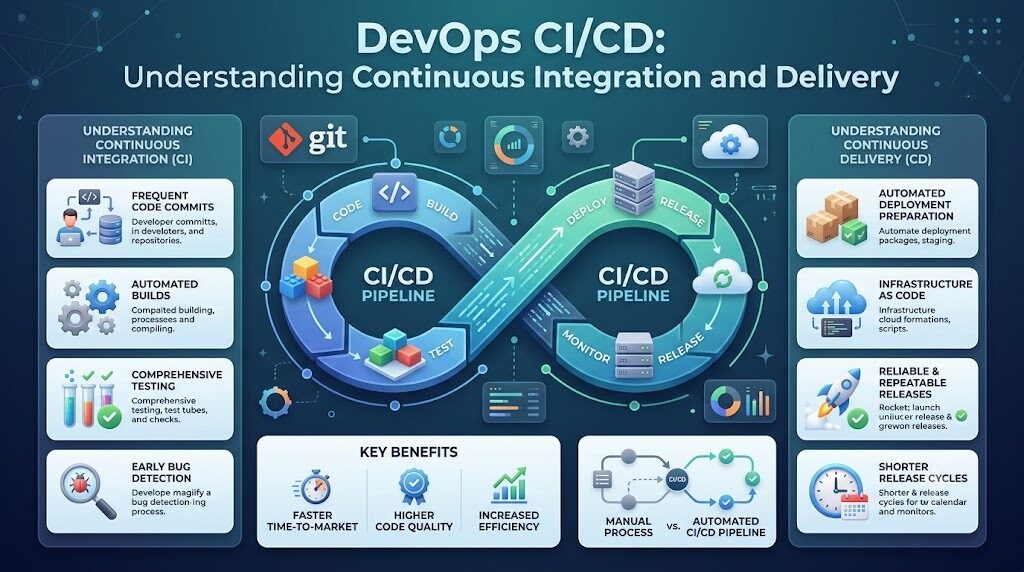
A DevOps engineer roadmap can use projects at every stage. Start with a small project. Build a simple application workflow. Add version control. Then add automated testing. Next, add a build process. After that, create a deployment process. Monitoring can be added later. Each stage should introduce one new skill. Do not add every tool at once. A simple project is easier to understand. It also makes errors easier to find. This approach creates a steady DevOps learning path and gives learners regular practice.
Choosing the Right DevOps Tools
The right DevOps tools depend on the project. Version control tools manage code changes. CI tools can automate builds and tests. Container tools can package applications. Cloud tools can provide infrastructure. Monitoring tools can show system health. Learners should first define the task. Then choose tools that solve the task. Avoid adding tools only to make a project look complex. Fewer tools can make the learning process clearer. The goal is to understand how tools work together. This is an important part of the DevOps engineer roadmap.
DevOps Tools Comparison for Project Work
A DevOps tools comparison can help learners choose tools for a project. Start by comparing the main purpose. Then check learning effort and project needs. Also check integration options. A tool may be useful for one project but unnecessary for another. Think about the full workflow. Ask how code will be tested. Ask how builds will run. Ask how deployment will happen. Ask how failures will be monitored. This type of DevOps tools comparison helps create a simple workflow. It also prevents unnecessary DevOps tools from entering the project.
Exploring an SRE Roadmap Through Projects
An SRE roadmap can be learned through practical projects. Start with a simple service. Add basic monitoring. Create a few useful alerts. Then study what happens when the service fails. Check logs and system data. Try to find the cause. Record the problem and the fix. This creates practical reliability experience. Later, learners can explore incident response and service health. Projects can make the SRE roadmap easier to understand. They can also connect reliability work with the wider DevOps learning path.
Exploring a Platform Engineering Roadmap
A Platform Engineering roadmap can also use project-based learning. Start by thinking about developer needs. A platform may provide common deployment or development services. Build one small internal workflow. Then add automation. Next, improve access and configuration. Documentation should also be part of the project. The goal is to make repeated work easier. Learners can study how developers use the platform. They can then improve the workflow. A Platform Engineering roadmap becomes easier to understand when learners build and test platform ideas.
Understanding DevOps Certifications
DevOps certifications can support project learning. Certification topics can show which concepts need more study. Learners can use those topics when planning projects. For example, a certification may cover automation or cloud concepts. A project can then provide hands-on practice for those concepts. This creates a useful connection between study and practice. However, certification study should not replace project work. Practical skills need practical tasks. Add certifications to the DevOps roadmap when the basic concepts are clear.
Following a DevOps Certification Roadmap
A DevOps certification roadmap can be built around career goals. Start by choosing the target area. Then review the skills needed for that area. Build projects around those skills. After gaining basic practice, begin certification preparation. Continue using projects while studying. This helps learners remember concepts through real use. A DevOps certification roadmap should not become a list of exams. It should support wider skill growth. Projects, practice, and certification study can work together in one DevOps learning path.
Using Projects to Prepare for DevOps Jobs
Projects can help prepare for DevOps jobs in several ways. They can improve technical practice. They can also create useful interview examples. A project should have a clear purpose. Explain the problem it solves. Explain the tools used. Explain the workflow. Explain the problems found during development. Explain how those problems were fixed. This creates a simple project story. Review different DevOps jobs before choosing projects. Match project skills with the requirements of the target role.
Common Mistakes Learners Make
1. Making Projects Too Large
Large projects can become difficult to manage. Start with one clear goal.
2. Using Too Many Tools
More tools do not always mean better learning. Use only what the project needs.
3. Copying Existing Projects
Copying a project can limit learning. Change the workflow and understand each step.
4. Skipping Testing
Testing can find problems early. Add simple tests to the workflow.
5. Ignoring Monitoring
A deployed application still needs observation. Add basic monitoring where useful.
6. Avoiding Errors
Errors are part of learning. Study what caused each failure.
7. Not Writing Documentation
Documentation explains how the project works. Keep it short and clear.
8. Focusing Only on Certificates
DevOps certifications can support learning. Projects build practical experience.
9. Not Reviewing the Project
After finishing, review the workflow. Find areas that can be improved.
A Simple Example
Consider a fictional learner named Neha. Neha builds a small web application project. First, she stores the code in version control. Next, she adds automated tests. She then creates a simple build process. After testing, she creates a deployment workflow. She adds basic monitoring at the end. During testing, the deployment fails. Neha checks the logs. She finds a configuration error. She corrects the setting and runs the workflow again. The project gives Neha practice with several DevOps concepts. It also gives her a clear example for future DevOps jobs discussions.
How DevOpsSchool.org Can Help
DevOpsSchool.org is a free and open software engineering learning and career platform. It provides structured learning paths across DevOps and related areas. These include SRE, Platform Engineering, GitOps, DevSecOps, FinOps, MLOps, AIOps, CloudOps, DataOps, and SecOps. Learners can explore concepts, tools, projects, interview preparation, and certification topics. The platform also provides technology resources and certification information. Its SRE roadmap can help learners explore reliability skills. Its Platform Engineering roadmap can support platform learning. Learners can also explore career resources and DevOps jobs. DevOpsSchool.org can support a practical DevOps roadmap and DevOps certification roadmap. Personal practice is still important. Career and certification results are not guaranteed.
FAQs
1. Why are projects important in a DevOps roadmap?
Projects turn concepts into practical skills. A DevOps roadmap should include projects after basic learning. Projects can cover automation, testing, deployment, and monitoring. They also help learners understand how tools work together. Small projects are often easier to manage and review.
2. What should a DevOps learning path include?
A DevOps learning path should include concepts, tools, projects, testing, automation, and troubleshooting. Start with simple tasks. Increase project complexity slowly. Each project should add a useful skill. This approach can make learning more practical and easier to follow.
3. How can projects support a DevOps engineer roadmap?
A DevOps engineer roadmap can use projects to build practical skills. Start with code management and testing. Then add builds, deployment, containers, cloud services, and monitoring. Each project can focus on one area. This creates steady technical practice.
4. How many DevOps tools should a project use?
A project does not need many DevOps tools. Use tools based on project needs. Start with the basic workflow. Add another tool only when it solves a real problem. This keeps the project simple and helps learners understand each tool better.
5. Why use DevOps tools comparison for projects?
A DevOps tools comparison can help learners choose suitable tools. Compare their purpose, features, learning needs, and integration options. The goal is not to use every available tool. The goal is to select tools that fit the project workflow.
6. How can projects support an SRE roadmap?
An SRE roadmap can include projects with monitoring and reliability tasks. Learners can create a service, add alerts, study failures, and review logs. These tasks help explain reliability concepts. They also connect SRE learning with practical DevOps work.
7. How can projects help with a Platform Engineering roadmap?
A Platform Engineering roadmap can include projects that simplify developer workflows. Learners can build deployment services, automation workflows, or internal tools. They can then test how developers use them. This helps explain the purpose of platform engineering.
8. Can projects replace DevOps certifications?
DevOps certifications and projects serve different purposes. Certifications can provide structured study. Projects provide practical experience. Learners can use both. First understand the concepts. Then apply them in projects. Certification study can follow when the basics are clear.
9. What is a useful DevOps certification roadmap?
A DevOps certification roadmap should match the target career area. Start with basic knowledge. Build practical projects. Then choose relevant certification topics. Continue practicing while studying. This creates a better connection between certification preparation and real DevOps work.
10. Can projects help with DevOps jobs?
Projects can support preparation for DevOps jobs. They can show practical knowledge and provide interview examples. Build projects around skills found in target job descriptions. Explain the problem, tools, workflow, errors, and solutions. This creates a clear project story.
Final Thoughts
Projects can make DevOps learning more practical. They help learners connect concepts with real tasks. A clear DevOps roadmap should include project work. A useful DevOps learning path should increase project difficulty over time. The DevOps engineer roadmap should include automation, testing, deployment, and monitoring. DevOps tools should be chosen based on project needs. A DevOps tools comparison can help with that choice. An SRE roadmap can add reliability skills. A Platform Engineering roadmap can add platform skills. DevOps certifications can support structured study. A DevOps certification roadmap can keep certification plans focused. Most importantly, keep building and testing. Small projects can create strong practical experience for future DevOps jobs.