Why Review Updates Matter When Products and Services Change
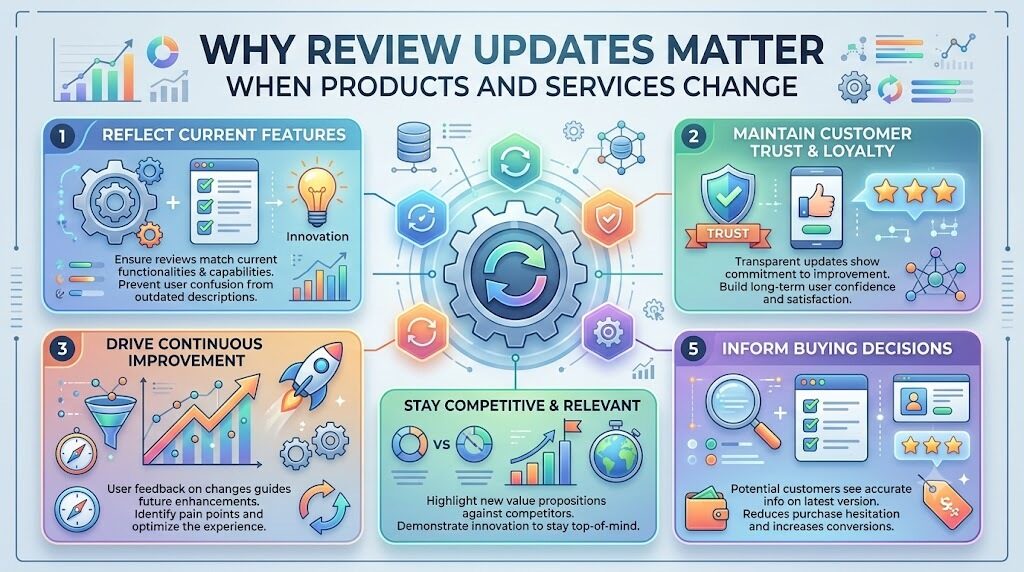
Introduction
A product or service does not always remain the same after its first release. Manufacturers may improve features, software providers may introduce new versions, and service providers may change their processes. Customer experiences can also change over time.
This creates an important challenge for people researching online. A review written several months ago may describe aab next and fresh blog do situation that no longer exists. Its information might still be useful, but readers need to know when it was written and whether the details remain relevant.
Product Reviews India should help consumers understand not only what people experienced but also when they experienced it. Updated information makes research more meaningful. iReviewed aims to support informed decisions through product feedback, comparisons, and buying guidance.
Why Old Reviews May Not Reflect Current Experiences
Reviews describe experiences from a particular point in time. They do not automatically change when a product receives an update or a service changes its process.
For example, a customer may review a fictional mobile application before it receives a major interface update. The original review may describe navigation problems. A later version could introduce a different layout.
The older feedback should not necessarily be removed. It may still help readers understand the application's earlier development. However, it should be clearly separated from feedback about the current version.
Customer Reviews and Ratings become more useful when readers can understand their age and context. Without this information, consumers may confuse an earlier experience with the current situation.
How Product Changes Affect Customer Feedback
Products can change through software updates, design improvements, replacement parts, packaging changes, or other modifications. These changes may affect how customers use them.
Consider a fictional home appliance that receives a redesigned control panel. Earlier customers may describe the original controls as difficult to understand. Newer customers may find the updated design easier to operate.
Both groups may be sharing genuine experiences. Their feedback simply relates to different product versions.
Product Reviews India should make version-related information easy to identify whenever it is available. Readers should check whether a review describes the same model or version they are considering.
This is especially important when researching electronics, mobile phones, appliances, and software.
Why Review Dates Need Clear Presentation
A review date gives readers useful context. It helps them understand when a customer shared an experience and whether the information may need further checking.
A review platform should make dates visible without making the page difficult to read. It should also distinguish between the original submission date and any later update.
For example, these two details have different meanings:
Original review date: When the customer first shared the experience.
Updated review date: When the customer added new information or revised the original feedback.
Customer Reviews and Ratings should not appear recently updated when only the page design has changed. Any meaningful content update should be explained clearly.
Readers should also avoid assuming that a recent review is automatically more accurate. Its usefulness depends on the details and the situation described.
When Customers Should Update Their Own Reviews
Customers may learn something new after using a product or service for a longer period. An early impression may change after regular use.
For example, someone may initially find a fictional office chair comfortable. After several weeks, the customer may notice that the adjustment controls require more effort than expected.
Updating the original review can provide useful information about the longer-term experience.
Customers may consider adding an update when:
A product develops a new problem.
A previously reported issue is resolved.
A repair changes the product's condition.
A software update changes an important feature.
Customer support provides a new response.
A service process improves or changes.
Regular use reveals something that was not clear initially.
The update should explain what changed and when. This helps readers understand the difference between the first experience and the later one.
Why Review Platforms Should Keep Update Histories Clear
Changing an existing review without explaining the change can confuse readers. They may not understand why an earlier opinion differs from the current text.
A clear update history helps preserve the original experience while showing later developments.
A platform could use simple labels such as:
Original customer experience.
Additional information.
Issue reported as resolved.
New experience after an update.
Follow-up information from the customer.
These labels should only be used when the relevant information is actually available. A platform should never create an update simply to make a review appear current.
Verified User Reviews can also benefit from clear update records. Readers should be able to distinguish the original submission from later information.
Software Reviews Need Version Awareness
Software changes can happen more frequently than changes to many physical products. Updates may introduce new features, modify existing functions, fix technical problems, or change the interface.
A review of an older version may not describe the current experience.
Software Reviews and Comparisons should therefore include version information whenever it is available. Readers should check whether the review discusses the version they intend to use.
For example, a fictional project management tool may change its task assignment process after an update. Older users may describe one workflow, while newer users may explain a different process.
Important software review details may include:
Version or release information.
Changes to the interface.
New or modified features.
Compatibility requirements.
Reported technical problems.
Changes in available support.
Limitations that remain unresolved.
Software Reviews and Comparisons become more useful when they explain which version the feedback concerns.
Service Changes Also Affect Customer Experiences
Services can change even when customers use the same provider. Appointment systems, delivery arrangements, support procedures, and subscription conditions may be revised.
A review describing an earlier process may not reflect the current service.
Service Reviews India should help readers understand which service conditions were involved in a particular experience. A complaint about an old appointment process should not automatically be treated as a description of the current process.
Consider a fictional home repair service. An earlier customer may report difficulty arranging an appointment. Later, the service may introduce a new scheduling system. The original complaint remains part of the customer's experience, but newer information may provide a different picture.
Readers should check the date, service type, and available updates before relying on older feedback.
How Businesses Can Respond to Updated Feedback
Businesses may receive feedback about problems that are later addressed. A clear response can help readers understand what action was taken.
However, a business response should not replace the customer's original experience. Both sides of the conversation can provide useful context.
A helpful response may explain:
Which concern has been understood.
Whether further information is required.
What action has been taken, if confirmed.
Whether the customer needs to follow another process.
How future communication can happen.
Businesses should avoid making unsupported promises. They should also avoid asking customers to remove honest feedback simply because it describes a negative experience.
Brand Reviews and Complaints can become more informative when customer experiences and business responses are presented separately.
How Review Platforms Can Handle Outdated Information
Review platforms need clear methods for managing older content. Removing every old review would erase useful customer history. Keeping everything without context could also confuse readers.
A balanced approach can preserve older experiences while helping visitors identify current information.
| Review situation | Useful platform action | Benefit for readers |
|---|---|---|
| Older product version | Display the relevant model or version | Prevents confusion between versions |
| Software update | Show available version details | Helps users identify current feedback |
| Customer adds new information | Label the added update | Preserves the original experience |
| Reported issue is resolved | Display the customer's follow-up | Shows how the experience changed |
| Service process changes | Identify the relevant service period | Helps readers understand older feedback |
| Review contains unclear details | Request clarification when possible | Improves the information available |
These actions should depend on information the platform can actually confirm. Review systems should not present assumptions as verified updates.
The Role of Moderation in Review Updates
Review updates need careful handling. A platform should check whether new information belongs to the original experience and whether it follows submission rules.
Moderation can help identify duplicate content, irrelevant changes, abusive language, and suspicious submissions. It should not remove honest criticism simply because it is negative.
Verified User Reviews can provide additional context when a platform explains what verification covers. However, a verification label does not guarantee that every later statement is accurate.
Product Reviews India should encourage clear and responsible updates. This helps maintain useful customer history without presenting every new statement as confirmed fact.
What Consumers Should Check Before Trusting an Old Review
Older feedback can still be valuable. It may describe durability, long-term usage, recurring difficulties, or changes in customer support.
The key is to check whether the information applies to the current product or service.
Before relying on an older review, consider these points:
1. Check the model or version: Make sure the review concerns the same item you are researching.
2. Read the original date: Understand when the customer first shared the experience.
3. Look for later updates: Check whether the reviewer added new information.
4. Compare recent experiences: See whether newer feedback describes similar conditions.
5. Separate lasting problems from temporary issues: A short-term difficulty may not describe the product's long-term performance.
6. Check the current specifications: Product details may change between versions.
7. Review service conditions: Confirm whether the described process still applies.
These checks make Product Buying Guides India more useful because readers can connect older feedback with current information.
Why Comparisons Should Consider Product Versions
A comparison can become misleading when it places different versions together without explaining their differences.
For example, two fictional laptops may have the same model family but different processors or storage configurations. Comparing them as if they were identical could confuse buyers.
A Product Comparison Website should clearly identify the specifications being compared. Readers should also understand whether the customer feedback refers to the same configuration.
The same principle applies to Best Products in India. A product may have several versions, and the most suitable option depends on the buyer's requirements.
Product Reviews India should help readers understand these distinctions before they make a shortlist. A useful comparison explains differences instead of hiding them behind a single overall rating.
How iReviewed Supports Consumer Research
iReviewed is an independent review platform focused on helping Indian consumers explore product information, comparisons, and customer experiences.
Its coverage includes electronics, appliances, mobile phones, software, and everyday essentials. Readers can explore Product Reviews India and Customer Reviews and Ratings to understand different experiences.
The platform also covers Software Reviews and Comparisons, Service Reviews India, and Brand Reviews and Complaints. These sections support research across different consumer needs.
iReviewed.in aims to encourage Verified User Reviews through contributor information, moderation, and technology that can help identify suspicious feedback. Readers should still examine the context and details of individual reviews.
Standard reviews are free. Premium plans are advertised for advanced filtering, AI-assisted ratings, business insights, and analytical reports.
The platform also has a future vision for an AI Product Comparison Tool. This planned direction could help organise product information and comparisons, but it is not a currently available feature.
How Better Review Information Can Support Smarter Decisions
A useful review platform should help readers understand the full context of customer experiences. Dates, product versions, update histories, and clear categories can all improve the research process.
These details also help consumers use Product Buying Guides India more effectively. Instead of depending on one old rating, readers can compare available information and consider whether it still applies.
The goal is not to make every review look current. It is to show readers what happened, when it happened, and whether any new information has been added.
Frequently Asked Questions
1. Why do online reviews need regular updates?
Products, software, and services can change after customers submit their feedback. Updates help readers understand whether an earlier experience still applies. They also allow customers to share new information about repairs, improvements, or changes that happened after the original review.
2. Should older customer reviews be removed?
Not always. Older reviews can provide useful information about previous product versions and customer experiences. Platforms should preserve relevant history while making dates and version details clear. Removing every older review could take away information that helps readers understand long-term product changes.
3. What is the difference between a review date and an update date?
A review date shows when the customer first submitted their experience. An update date indicates when additional information was added or the original review was revised. Keeping both details visible helps readers understand how the feedback developed over time.
4. Why are version details important in Software Reviews and Comparisons?
Software updates can change features, navigation, compatibility, and performance. A review of an older version may not describe the current experience. Version details help readers identify which feedback applies to the software they are researching.
5. Can a customer change a review after a problem is resolved?
Yes, when the platform allows review updates. The customer can explain what happened after the original submission and whether the issue was addressed. Keeping the original experience visible alongside the update helps readers understand the complete timeline.
6. How should readers use older Product Reviews India content?
Readers should check the publication date, product model, specifications, and any available updates. Older reviews may still provide useful information about durability or previous problems. However, current product details should also be checked before making a purchase decision.
7. How do updates help Service Reviews India?
Service updates can show whether customer experiences changed after a provider modified its processes. They may explain changes in scheduling, communication, or support. Readers should still check whether the updated information relates to the same service and conditions they need.
8. What should a business include in a response to a complaint?
A business should address the reported concern clearly and explain any confirmed action. It should avoid unsupported promises or dismissing the customer's experience. A separate response allows readers to understand the business's position without changing the original customer feedback.
9. Do Verified User Reviews guarantee that updated information is correct?
No. Verification can provide information about the submission process or contributor, depending on the platform's rules. It does not guarantee that every statement is accurate. Readers should still examine the update details and understand what the platform has actually verified.
10. Will the AI Product Comparison Tool on iReviewed track product updates?
The AI Product Comparison Tool is a future vision for iReviewed.in, not a currently available feature. Its planned direction is to support more organised product research and comparisons. Specific functions should not be assumed until the platform officially makes them available.
Final Thoughts
Reviews are records of customer experiences, and those experiences can change over time. Product updates, software changes, and new service processes may make older feedback less relevant to current decisions.
Clear dates, version details, and honest update histories help readers understand this difference. They also allow useful older experiences to remain available without confusing them with newer information.
Product Reviews India becomes more valuable when consumers can see both the original experience and any meaningful changes. iReviewed aims to support informed research through reviews, comparisons, and buying guidance.